

Urban planners across Europe often wrestle with the challenge of transforming cities into more sustainable and interconnected spaces. The demand for integrated masterplanning is rising as municipal developments become more complex and stakeholder involvement grows. Urban masterplanning is an integrated participatory decision-making process that relies on sophisticated tools and strategies. This article offers insights on harnessing advanced 3D technologies to visualise and collaborate effectively throughout the planning journey.
Table of Contents
- Defining Urban Masterplanning And Core Principles
- Types Of Masterplans And Typical Timeframes
- Essential Stages In The Masterplanning Process
- Stakeholder Engagement And Collaboration Strategies
- Risks, Limitations, And Common Pitfalls
Key Takeaways
| Point | Details |
|---|---|
| Urban Masterplanning Encompasses a Holistic Approach | It combines sustainable development, social inclusivity, and resilience, integrating various scales and dynamics in urban environments. |
| Types of Masterplans Serve Different Needs | Strategic, statutory, local area, and tactical masterplans focus on specific objectives and timeframes, guiding comprehensive urban development effectively. |
| Stakeholder Engagement is Essential | Effective urban planning requires diverse perspectives through comprehensive stakeholder mapping and collaborative strategies to ensure inclusivity. |
| Awareness of Risks is Crucial | Planners must navigate data inadequacy, stakeholder misalignment, and resource constraints to create adaptive, resilient urban strategies. |
Defining Urban Masterplanning and Core Principles
Urban masterplanning is a comprehensive strategic approach to designing and developing cities that prioritise sustainable, integrated, and resilient urban environments. At its core, this discipline represents more than traditional architectural design—it is a complex, collaborative process of urban transformation that requires deep understanding of social, economic, and environmental dynamics.
The United Nations Habitat framework defines urban masterplanning as an integrated participatory decision-making process that addresses urban development across multiple scales. This holistic approach encompasses several critical principles:
- Sustainable spatial development
- Social inclusivity and equity
- Climate resilience
- Cross-sectoral coordination
- Multi-level governance engagement
Key characteristics of effective urban masterplanning include creating compact, connected urban spaces that facilitate efficient resource utilisation and enhance quality of life. The process involves comprehensive analysis of existing infrastructure, demographic trends, environmental constraints, and future growth potential.
Successful urban masterplanning requires sophisticated tools and methodologies that enable planners to visualise, simulate, and optimise complex urban systems. These tools help professionals:
- Analyse spatial relationships
- Model infrastructure scenarios
- Predict environmental impacts
- Engage stakeholders through interactive visualisations
- Develop adaptable urban strategies
The global perspective on urban masterplanning has shifted dramatically, moving beyond physical infrastructure design to a more nuanced understanding of cities as dynamic, living ecosystems. This approach recognises that urban spaces are not static entities but continuously evolving environments that must respond to changing social, technological, and environmental conditions.
Pro tip: Invest in advanced 3D urban planning technologies that enable real-time scenario modelling and collaborative design to enhance masterplanning effectiveness.
Types of Masterplans and Typical Timeframes
Urban masterplanning encompasses multiple strategic approaches, each designed to address specific development objectives and timeframes. Masterplans vary significantly in scope and duration, ranging from localised neighbourhood interventions to comprehensive long-term urban transformation strategies.
The primary types of masterplans include:
- Strategic Masterplans: Long-term visionary documents spanning 10-20 years
- Statutory Masterplans: Regulatory frameworks governing medium-term urban development
- Local Area Masterplans: Neighbourhood-specific interventions with shorter implementation cycles
- Tactical Masterplans: Action-oriented programmes translating strategic goals into implementable projects
Each masterplan type serves distinct purposes and operates across different temporal and spatial scales. Strategic masterplans typically provide overarching policy frameworks and comprehensive urban development visions, establishing broad goals for infrastructure, economic growth, and social integration. These long-term plans often extend 15-30 years and serve as fundamental guiding documents for municipal authorities.
Statutory masterplans function as intermediate regulatory mechanisms, usually spanning 5-10 years. They translate strategic objectives into concrete land-use regulations, zoning guidelines, and development permissions. These plans are critical for ensuring coherent urban growth and managing spatial transformations systematically.
Set the scope of a local masterplan
Local area masterplans represent the most granular level of urban planning, focusing on specific neighbourhoods or districts. With timeframes typically ranging from 3-7 years, these plans address localised development needs, community infrastructure requirements, and site-specific urban interventions.
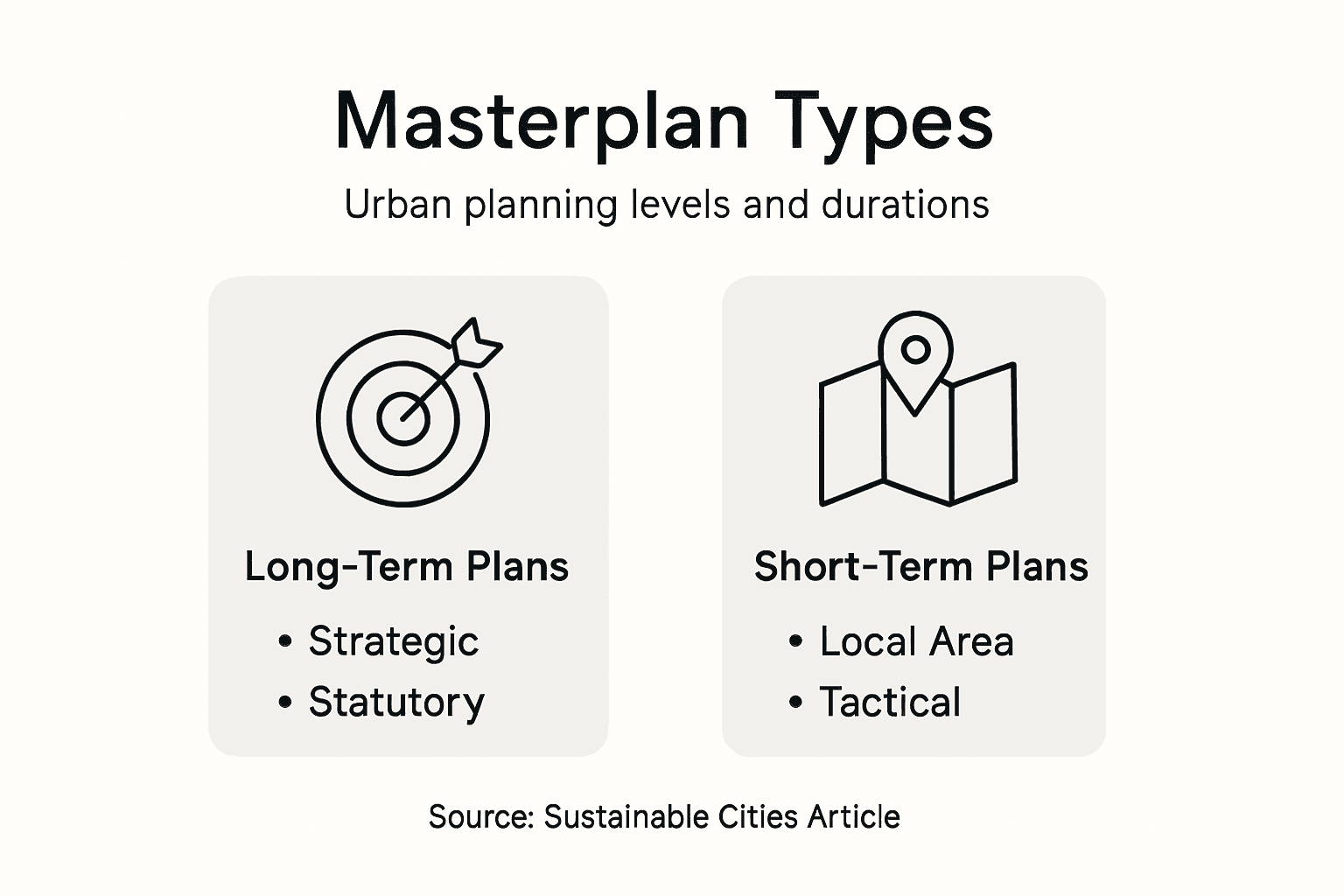
The following table distinguishes the main types of urban masterplans by focus, scope and duration:
| Masterplan Type | Primary Focus | Typical Scope | Standard Timeframe |
|---|---|---|---|
| Strategic | Long-term vision and integration | City-wide/regional | 15–30 years |
| Statutory | Regulatory control and compliance | Urban district or city | 5–10 years |
| Local Area | District improvement and community needs | Neighbourhood/block | 3–7 years |
| Tactical | Project execution and rapid response | Specific project or zone | 1–5 years |
Effective masterplanning requires a dynamic approach that balances long-term vision with adaptive, responsive strategies.
Tactical masterplans bridge the gap between strategic vision and practical implementation. These plans typically operate on 1-5 year cycles, developing specific action programmes, identifying resource allocations, and creating detailed implementation roadmaps for urban development initiatives.
Pro tip: Develop a nested masterplanning approach that integrates short-term tactical plans with long-term strategic frameworks to ensure comprehensive and flexible urban development.
Essential Stages in the Masterplanning Process
Urban masterplanning is a complex, multi-staged process that requires systematic approach and comprehensive analysis. Masterplanning involves strategic stages of development designed to transform urban environments strategically and sustainably.
The essential stages of the masterplanning process typically include:
- Baseline Analysis: Comprehensive data collection and contextual understanding
- Visioning: Establishing strategic goals and long-term objectives
- Scenario Development: Creating multiple potential urban development scenarios
- Stakeholder Engagement: Comprehensive consultation and collaborative input
- Design Refinement: Iterative plan development and optimization
- Formal Approval: Regulatory review and institutional validation
- Implementation Framework: Detailed execution strategy and monitoring mechanisms
The initial stage of baseline analysis involves extensive research into spatial, demographic, economic, and environmental contexts. Urban planners conduct detailed assessments of existing infrastructure, population dynamics, economic indicators, and environmental constraints to establish a comprehensive understanding of the urban landscape.
Vision creation represents a critical phase where stakeholders collaborate to define aspirational yet achievable urban development goals. This stage transforms baseline data into strategic objectives, establishing clear parameters for future urban transformation.
Successful masterplanning requires continuous dialogue between technical expertise and community perspectives.
Develop comparable alternatives
Scenario development involves generating multiple potential urban development models. These scenarios explore different approaches to addressing identified challenges, allowing planners to evaluate various strategies systematically. Advanced computational modelling and simulation tools enable sophisticated scenario testing and comparative analysis.
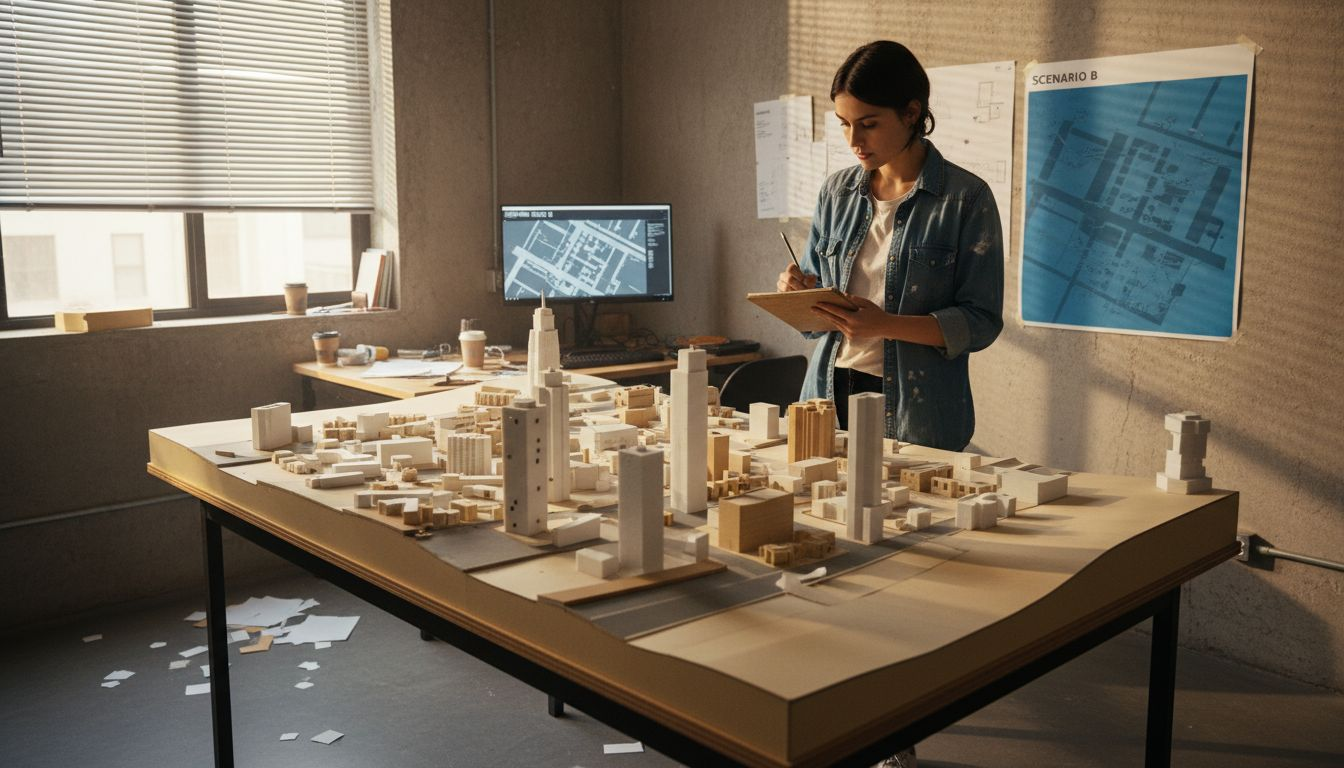
Stakeholder engagement is a continuous, iterative process that ensures diverse perspectives are integrated throughout the masterplanning journey. This stage involves formal consultations, workshops, digital platforms, and collaborative design sessions that bring together municipal authorities, community representatives, private sector stakeholders, and technical experts.
The final stages focus on plan refinement, regulatory approvals, and implementation strategies. Detailed design iterations, comprehensive risk assessments, and robust monitoring frameworks transform conceptual plans into actionable urban development roadmaps.
Pro tip: Leverage digital collaborative platforms to facilitate transparent, inclusive stakeholder engagement throughout the masterplanning process.
Stakeholder Engagement and Collaboration Strategies
Collaborative urban planning strategies are fundamental to creating inclusive, responsive urban development approaches. Urban masterplanning transcends traditional top-down decision-making, requiring sophisticated engagement mechanisms that integrate diverse perspectives and expertise.
Effective stakeholder collaboration involves multiple strategic approaches:
- Comprehensive Stakeholder Mapping: Identifying all relevant interest groups
- Multi-Channel Communication: Establishing transparent dialogue platforms
- Consensus-Building Mechanisms: Creating inclusive decision-making processes
- Digital Engagement Tools: Leveraging technology for broader participation
- Continuous Feedback Loops: Ensuring ongoing dialogue and adaptation
Stakeholder identification represents the critical initial phase of collaborative urban planning. This process involves systematically mapping potential participants across various sectors, including municipal authorities, community representatives, private sector entities, academic institutions, and local residents. Each group brings unique perspectives and expertise that can significantly enrich urban development strategies.
Communication strategies must be deliberately designed to facilitate meaningful engagement. This requires creating multiple interaction channels that accommodate different communication preferences and accessibility needs. Digital platforms, community workshops, interactive design sessions, and formal consultation mechanisms provide diverse opportunities for stakeholder input.
Successful stakeholder engagement transforms urban planning from a technical exercise into a collective vision-building process.
Facilitate decisions across competing interests
Consensus-building represents a sophisticated approach to navigating complex, often conflicting stakeholder interests. Advanced facilitation techniques, such as collaborative scenario planning and structured dialogue workshops, help transform potential conflicts into constructive collaborative opportunities. These methods focus on identifying shared objectives and creating mutually beneficial urban development frameworks.
Digital technologies have revolutionised stakeholder engagement by enabling more inclusive, transparent, and accessible participation mechanisms. Interactive online platforms, real-time collaborative design tools, and virtual consultation spaces allow broader demographic groups to contribute meaningfully to urban planning processes, transcending traditional geographic and temporal constraints.
Below is a summary of key stakeholder groups and their contributions during collaboration:
| Stakeholder Group | Key Contribution | Typical Involvement Timing |
|---|---|---|
| Municipal Authorities | Policy direction, approvals | Throughout planning and approval |
| Community Representatives | Local insight, needs identification | Visioning, engagement, refinement |
| Private Sector | Investment, technical solutions | Implementation, scenario development |
| Academic/Technical Experts | Evidence-based analysis | Baseline, scenario, and impact stages |
| Residents | Lived experience, feedback | Consultation and design feedback |
Pro tip: Implement adaptive engagement strategies that continuously evolve based on stakeholder feedback and emerging urban challenges.
Risks, Limitations, and Common Pitfalls
Urban masterplanning challenges represent complex systemic vulnerabilities that can significantly undermine sustainable development strategies. Understanding these risks is crucial for developing resilient, adaptive urban planning approaches.
Key risks and limitations in urban masterplanning include:
- Data Inadequacy: Insufficient or outdated information sources
- Stakeholder Misalignment: Conflicting institutional priorities
- Political Discontinuity: Disruptions from leadership changes
- Resource Constraints: Limited financial and technical capabilities
- Regulatory Inflexibility: Rigid planning frameworks
Technical risks often emerge from fundamental methodological weaknesses. Planners frequently encounter challenges related to incomplete spatial data, demographic uncertainties, and inadequate predictive modelling techniques. These limitations can lead to strategic plans that fail to accurately anticipate urban transformation dynamics.
Institutional risks represent another critical challenge. Organisations may struggle with bureaucratic inertia, competing departmental objectives, and limited cross-sectoral collaboration. Political shifts can dramatically alter planning priorities, rendering carefully developed strategies obsolete before implementation.
Effective urban masterplanning requires continuous adaptation and systemic flexibility.
Social and environmental risks include potential unintended consequences of urban interventions. Poorly designed masterplans might inadvertently exacerbate social inequalities, displace vulnerable communities, or create environmental vulnerabilities. Comprehensive risk assessment must extend beyond technical considerations to include nuanced social impact evaluations.
Financial limitations frequently constrain masterplanning ambitions. Resource scarcity can force planners to compromise strategic objectives, leading to fragmented or partially implemented urban development frameworks. Sophisticated financial modelling and innovative funding mechanisms become essential for bridging these implementation gaps.
Pro tip: Develop robust scenario planning frameworks that anticipate multiple potential disruption scenarios and include adaptive response strategies.
Transform Your Urban Masterplanning Vision into Reality with Advanced 3D Solutions
Urban masterplanning demands precise analysis, dynamic stakeholder engagement, and adaptable scenario development to build sustainable, resilient cities. Common challenges like data inadequacy, regulatory complexity, and the need for integrated, real-time planning tools call for innovative solutions that enhance collaboration and evidence-based strategy. The comprehensive processes described in the article highlight the importance of advanced technologies that enable spatial analysis, simulation, and effective communication with stakeholders.
3dcityplanner.com offers a powerful digital platform designed specifically for urban planners, architects, and developers aiming to overcome these obstacles. With features including automatic building generation, line-of-sight visualisations, noise simulation, and 4D planning timelines, this platform delivers the tools needed to visualise, optimise, and communicate complex urban masterplans effectively. Unlock the full potential of your strategic, statutory, or tactical masterplans by integrating interactive 3D modelling and real-time scenario testing.
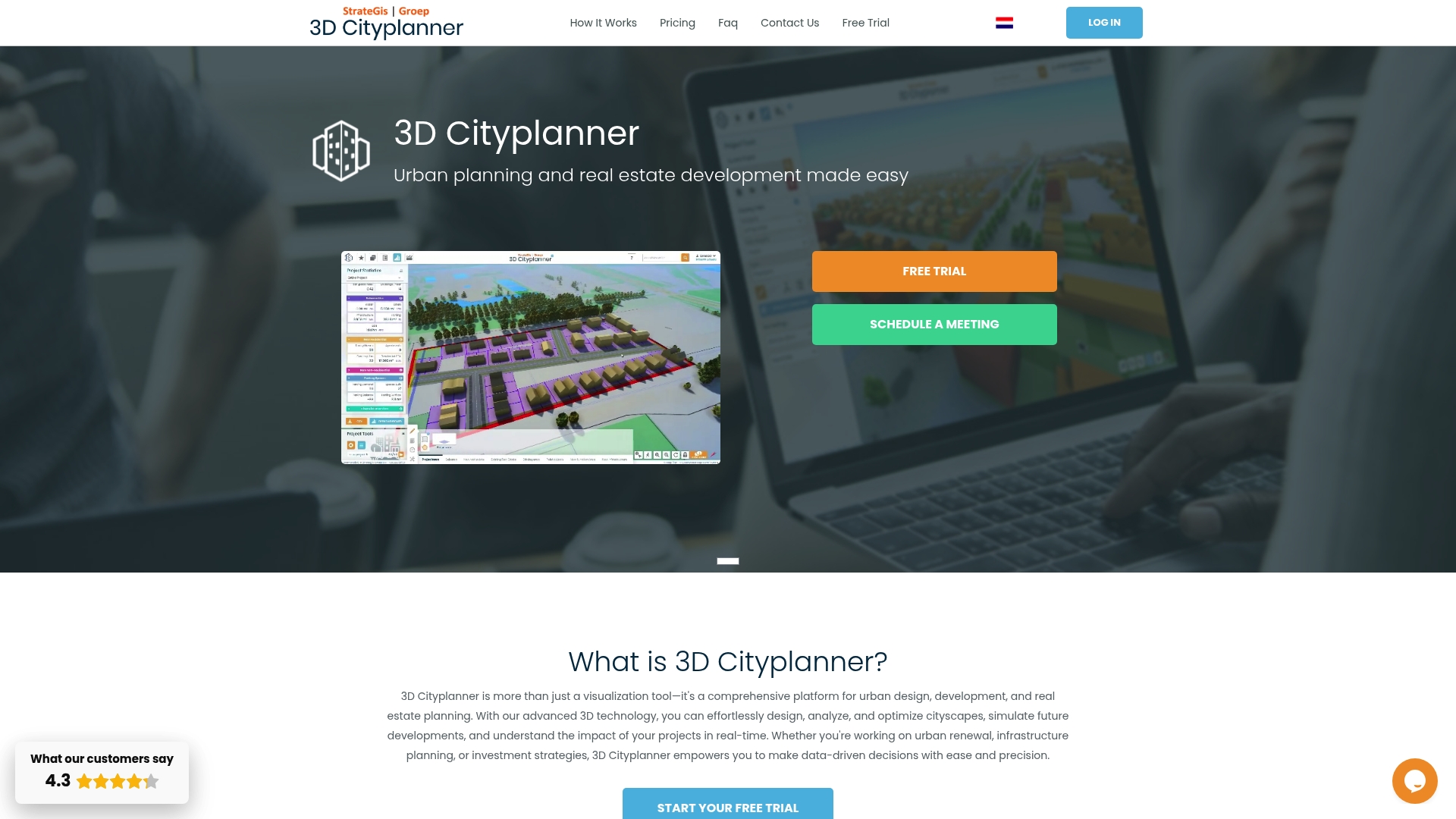
Ready to elevate your urban development projects with cutting-edge technology that supports sustainable city shaping? Explore how 3dcityplanner.com can streamline your masterplanning process, improve decision-making, and foster stakeholder collaboration. Start your journey today with a free trial and access expert training on https://3dcityplanner.com/en. Discover the future of urban masterplanning now.
Frequently Asked Questions
What is urban masterplanning?
Urban masterplanning is a strategic approach to designing and developing cities, focusing on creating sustainable, integrated, and resilient urban environments. It involves a collaborative process that considers social, economic, and environmental dynamics.
What are the key principles of urban masterplanning?
The core principles include sustainable spatial development, social inclusivity and equity, climate resilience, cross-sectoral coordination, and multi-level governance engagement. These principles guide the development of effective urban planning strategies.
What are the different types of masterplans?
Urban masterplans can be classified into four main types: strategic masterplans (long-term visions), statutory masterplans (regulatory frameworks), local area masterplans (neighbourhood-specific interventions), and tactical masterplans (short-term action plans).
What stages are involved in the urban masterplanning process?
The masterplanning process typically includes stages such as baseline analysis, visioning, scenario development, stakeholder engagement, design refinement, formal approval, and implementation framework development. Each stage contributes to creating robust and adaptable urban strategies.


2 comments